Recovery Tips After Your Oral Surgery Procedure
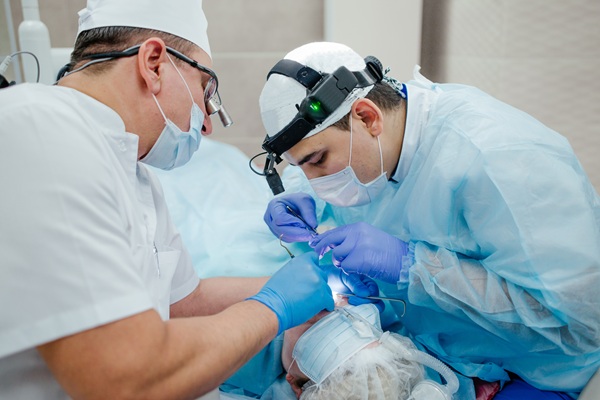
Undergoing oral surgery can feel overwhelming, but proper post-operative care is crucial to ensure a smooth recovery. Whether you have had wisdom teeth removed, dental implants placed, or another procedure, following the right recovery steps can help minimize discomfort and prevent complications.
Follow the oral surgeon’s instructions
First and foremost, the oral surgeon will provide detailed post-operative care instructions specific to a procedure that cannot be ignored. These instructions may include guidance on medication, diet, and activity levels. It is important to follow these directions carefully, as they are tailored to help the patient heal properly and avoid complications such as infection or delayed recovery. Along with this, there are essential recovery tips patients should always adhere to after an oral surgery procedure.
Manage Pain and Swelling
After oral surgery, it is common to experience pain and swelling, especially within the first 48 hours. The surgeon may prescribe pain relievers or recommend over-the-counter options like ibuprofen or acetaminophen. To help reduce swelling, use cold compresses or ice packs on your face for 15-20 minute intervals. Always place a cloth between the ice pack and the skin to avoid frostbite.
Rest and Take It Easy
Rest is essential after surgery, as the body needs time to recover. Avoid strenuous physical activity for at least a few days, and try to keep the head elevated when lying down. This position can help minimize swelling and promote blood flow to the area, reducing the risk of complications. Make sure to get plenty of sleep, aiding in faster healing.
Stick to a Soft Food Diet
The oral tissues will be sensitive, so it is important to eat soft foods that do not require much chewing. Some safe options include yogurt, applesauce, mashed potatoes, and soups. Avoid hard, crunchy, or sticky foods that irritate the surgical site or dislodge sutures. Be sure to avoid using straws, as the suction can disturb the healing process and lead to a painful condition known as dry socket.
Maintain Proper Oral Hygiene
While it may seem tempting to avoid brushing and flossing after surgery, maintaining proper oral hygiene is essential to prevent infection. The surgeon will likely recommend a gentle oral rinse, such as a saltwater solution, to keep the surgical site clean. Brush teeth carefully, avoid the surgical area, and follow the surgeon’s advice on when to resume regular brushing and flossing.
Stay Hydrated
Staying hydrated is crucial for recovery, but be sure to drink water slowly and avoid carbonated or sugary beverages. Drinking plenty of water helps flush out toxins and moisten the mouth, which is important for healing. Avoid alcohol and caffeine, as these can interfere with the healing process and may interact negatively with the post-surgery medications.
Watch for Warning Signs
While some discomfort and swelling are normal, be aware of any signs that may indicate complications, such as excessive bleeding, severe pain, or a fever. Patients who notice these symptoms should contact their oral surgeon immediately. Early intervention can prevent more serious issues and help patients get back on track with their recovery.
Take Prescribed Medications
If the oral surgeon prescribes antibiotics or other medications, it is essential to take them as directed. Skipping doses can lead to infection or delay the healing process. Patients who experience any side effects from the medications should contact a healthcare provider for advice on how to proceed.
Do your part after oral surgery
Recovering from oral surgery requires patience and attention to detail. Following your surgeon’s instructions and taking care of yourself can minimize discomfort and ensure a faster, smoother recovery. Remember, if you ever feel unsure about your recovery process, don’t hesitate to contact your oral surgeon for guidance. For more information, schedule a consultation visit today at Padhiar Periodontics & Implant Specialists.
Request an appointment here: https://padhiarperiodontics.com or call Padhiar Periodontics & Implant Specialists at (770) 585-3682 for an appointment in our Alpharetta office.
Check out what others are saying about our dental services on Yelp: Oral Surgery in Alpharetta, GA.
Related Posts
Periodontal procedures are generally used to address oral health concerns such as periodontitis. However, many are surprised to learn about the cosmetic advantages surgical procedures from a periodontist can provide. This review discusses several procedures periodontists perform that have cosmetic uses and help to improve the health of the gums and jawbone.Notable periodontal cosmetic surgical…
Gingivectomy is one of the most popular treatment methods for periodontal disease. There are only a handful of treatment methods that can reverse the effects of periodontal disease. This procedure is one of them. It can bring the smile back to your face, making you more confident than ever before. Anyone facing the possibility of…
Understanding tooth extraction and what happens afterward helps patients prepare for their treatment plan. While pulling a tooth marks the end of a specific dental problem, it also creates the need for a tooth replacement. A periodontist focuses on protecting the jawbone and the surrounding gum tissue to create a stable environment for whatever comes…
Dental implants can last for many years, but they are not immune to problems, particularly in the surrounding gum tissue. When infection develops around an implant, LAPIP laser treatment may help control the issue and, in some cases, save the implant before it needs to be removed. Early diagnosis and treatment of peri-implantitis can help…