5 Tips for Healing After Gum Grafting
Gum grafting is an important part of periodontal care, restoring receding gums and protecting long-term oral health. As gum recession progresses, teeth lose vital support and become more vulnerable to sensitivity, decay, and structural damage. A dental professional evaluates gum health, bone levels, and contributing factors to determine when grafting supports stability. Early intervention often preserves natural teeth and improves overall comfort. This procedure provides a pathway to a more stable oral environment for individuals with significant tissue loss.
Understanding gum recession and its impact
Gum recession develops when gum tissue pulls away from the teeth, exposing the root surfaces. This process often results from periodontal disease, aggressive toothbrushing, malocclusion, or genetic factors. Exposed roots increase sensitivity and raise the risk of root decay and infection. When the protective layer of the gums is compromised, the underlying structures of the teeth become susceptible to environmental factors. Addressing these issues early helps prevent further complications that could lead to tooth loss or bone degradation.
What gum grafting involves
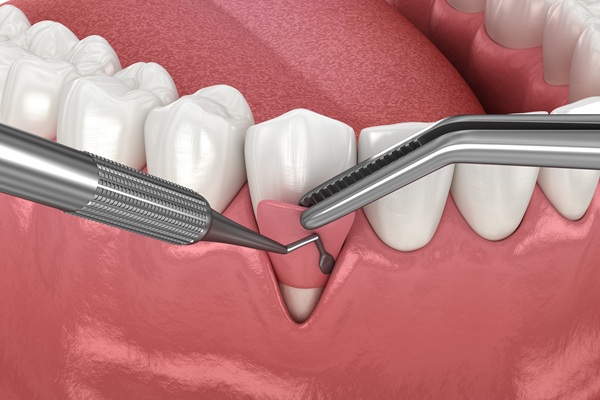
Gum grafting rebuilds areas where tissue loss affects tooth support or comfort. During the procedure, a practitioner places healthy tissue over exposed roots to reinforce the gumline and protect underlying structures. The grafted tissue integrates with existing gums to create a stronger, more resilient barrier against bacteria. Gum grafting also improves the ability to maintain proper oral hygiene by reducing sensitivity and discomfort during daily brushing and flossing routines. This integration process is vital for the long-term success of the restoration.
Common reasons for gum grafting
A professional recommends gum grafting when recession threatens oral health or quality of life. Treatment decisions depend on the severity of recession, bone support, and patient-specific risk factors. By identifying the root cause of the recession, a provider can tailor the procedure to the individual's specific needs. We often recommend gum grafting in these cases:
- Ongoing gum recession that exposes tooth roots and increases sensitivity
- Increased risk of root decay or infection due to significant tissue loss
- Preparation for orthodontic treatment or other restorative dental work
- Protection of the bone structure surrounding the base of the teeth
Each recommendation focuses on preserving natural teeth and supporting long-term stability within the mouth.
Types of gum grafting procedures
Different grafting techniques address varying clinical needs based on the location and extent of the recession. A provider selects the approach based on tissue thickness, recession depth, and specific treatment goals. Some grafts use tissue from the roof of the mouth, while others rely on donor tissue materials designed for dental use. Each technique aims to restore coverage, strengthen the gumline, and promote predictable outcomes during the healing phase. The choice of material often depends on the required coverage and the condition of the surrounding donor sites.
The benefits of gum grafting for oral health
Gum grafting provides functional and protective benefits that extend beyond surface-level improvements. Restored gum tissue shields tooth roots from bacteria and temperature sensitivity, making eating and drinking more comfortable. Improved gum contours also support healthier habits by making the gumline easier to clean. Gum grafting often improves long-term tooth retention by stabilizing the foundation and reducing the risk of future periodontal complications. This stability is essential for maintaining a functional bite and preventing tooth movement.
What to expect during recovery
Recovery after gum grafting focuses on healing and tissue integration over several weeks. Detailed post-procedural instructions are provided to support the most predictable outcomes. Patients generally follow specific dietary guidelines, such as consuming soft foods, and adjust oral care routines during the early stages of healing. Follow-up visits allow for the monitoring of progress and ensure the graft adapts successfully to the surrounding tissue. Proper adherence to these guidelines helps ensure the new tissue remains in place and heals correctly.
Long-term care after gum grafting
Maintaining results after gum grafting requires consistent oral hygiene. Professional cleanings and routine evaluations help protect the grafted area and the health of the surrounding gums. A provider may also address contributing factors, such as improper toothbrushing technique or malocclusion, to prevent future recession. Gum grafting is most effective when paired with ongoing preventive care and personalized maintenance strategies tailored to the individual. Consistent monitoring ensures that any new signs of recession are addressed before they require further surgical intervention.
Seek treatment today
Gum grafting is a proactive intervention for managing periodontal recession and protecting overall oral health. By restoring lost tissue and reinforcing the gumline, this procedure helps preserve natural teeth and reduce future risks. A dental professional evaluates each case carefully to determine the most effective approach for the specific needs of the patient. With proper care and follow-up, this procedure supports lasting comfort, function, and stability. For more information or to schedule an appointment, call our office.
To schedule a consultation, please request an appointment on our website at https://padhiarperiodontics.com or call Padhiar Periodontics & Implant Specialists at (770) 585-3682 to arrange an appointment at our Alpharetta office.
Check out what others are saying about our services on Yelp: Gum Grafting in Alpharetta, GA.
Related Posts
Just like cavities, gum disease is a common oral health condition that affects people of all ages. This is one of the most frequent issues that dentists treat and work with patients to prevent. The good news is that you can avoid this disease and its consequences. But if your dentist has diagnosed you with…
Crown lengthening is a surgical treatment in which the gums surrounding a tooth are repositioned to show more of the tooth structure. There may not be enough healthy dental structure to support a crown or bridge if the tooth is decaying, fractured below the gum line, or has an inadequate crown height. A crown lengthening…
If you’ve suffered from traumatic tooth loss, then you might be considering dental implants as a solution to restore your smile. However, many folks are concerned about how difficult getting implants installed is and the recovery time involved with the procedure. While dental surgery can seem scary, the technology used to install implants has come…
Periodontal procedures are generally used to address oral health concerns such as periodontitis. However, many are surprised to learn about the cosmetic advantages surgical procedures from a periodontist can provide. This review discusses several procedures periodontists perform that have cosmetic uses and help to improve the health of the gums and jawbone.Notable periodontal cosmetic surgical…