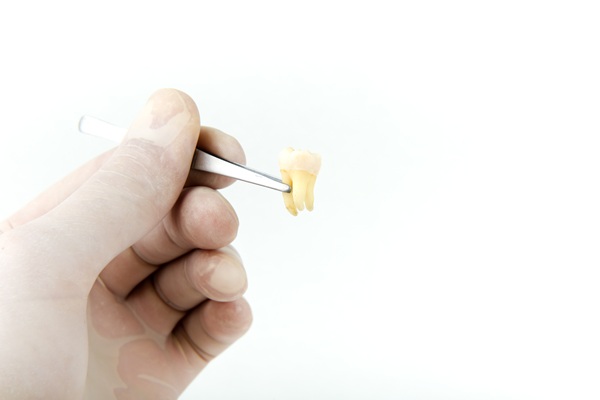
Tooth Extractions: What Happens Next?
Understanding and what happens afterward helps patients prepare for their treatment plan. While pulling a tooth marks the end of a specific dental problem, it also creates the need for a tooth replacement. A periodontist focuses on protecting the jawbone and the surrounding gum tissue to create a stable environment for whatever comes next. The mission is to make the healing process easier and more comfortable, and to give patients plenty of options for restoring their smile appearance later.
The healing process right after tooth extractions
The first 24 hours after a tooth extraction are a key window for recovery. When a tooth is pulled, the body immediately begins a natural healing process. Still, getting enough rest and following proper aftercare put the patient on track for a smooth recovery.
Proper aftercare starts with protecting the blood clot that forms in the empty tooth socket to prevent the underlying bone and nerve endings from being exposed. Essentially, it acts as a scab. If the clot dissolves or shifts too early, dry socket can occur. While treatable, this condition can be painful and delay healing.
To avoid dislodging the clot, avoid straws and chewing with that side of the mouth. Also, do not brush the clot. The periodontist will provide a rinse or instructions for gently cleansing the area.
Minor swelling and discomfort are common right after tooth extractions, as well. The periodontist may recommend using cold compresses and prescribed or over-the-counter medications to manage these symptoms. By the second or third day, the initial discomfort typically fades as the mouth heals.
Recovery after the first 24 hours
Recovery happens in stages. After the blood clot stabilizes, the gum tissue should close over the extraction site within one to two weeks. The bone underneath tends to take longer to heal: usually three to six months. The patient receives a permanent implant, bridge, or denture to complete the smile only once this internal healing process is complete.
Although some find it frustrating to wait a few months for the tooth replacement, following this timeline helps keep the mouth healthy at every level. Patience during the middle stages of healing pays off when the tooth replacement feels secure and comfortable.
When socket preservation is recommended
When a periodontist performs tooth extractions, they often recommend a secondary step called socket preservation. The jawbone needs constant stimulation from a tooth root to maintain its density and shape. Unfortunately, once a tooth is gone, the bone in that specific area begins to shrink or resorb. This loss of bone can change the shape of the face over time and make future tooth replacement more difficult.
To prevent this, the periodontist can place a small amount of bone grafting material into the empty socket at the time of the extraction. This material acts as a scaffold, encouraging the body to replace the graft with natural, healthy bone over several months. The point is to help the jaw remain strong enough to support a dental implant or other tooth replacement later. It also protects the structure of the mouth, keeps the remaining teeth aligned, and avoids changes to the face due to bone loss.
Tooth replacement options after extraction
Patients have more than one option for restoring their smile after tooth extractions. Dental implants are the modern standard. An implant is a small titanium post that the periodontist places directly into the jawbone, where it will mimic the function of a natural tooth root. Once the post fuses with the bone, they can attach a custom-made crown that looks and functions like a real tooth.
Other options include dental bridges or partial dentures, although they do not offer the same level of bone protection as an implant. A bridge replaces missing teeth with false ones (called pontics) anchored to nearby teeth that are outfitted with crowns or wings. It is also possible to get implant-supported bridges, which are anchored to dental implants instead of natural teeth. As a result, it stimulates the jawbone every time the patient chews.
Finally, a partial denture is an appliance with false teeth and a gum-colored base. When worn, the false teeth slot into the spaces left by extracted teeth, creating a full-looking smile. A periodontist can help patients explore these options and adjust their approach to tooth extractions accordingly.
Learn more about tooth extractions
Tooth extractions can protect your smile. Knowing what to expect right after an extraction can help you feel more confident about your dental treatment. Want to learn more? Book an appointment today.
Request an appointment here: https://padhiarperiodontics.com or call Padhiar Periodontics & Implant Specialists at (770) 585-3682 for an appointment in our Alpharetta office.
Check out what others are saying about our dental services on Yelp: .
Related Posts
Periodontal procedures are generally used to address oral health concerns such as periodontitis. However, many are surprised to learn about the cosmetic advantages surgical procedures from a periodontist can provide. This review discusses several procedures periodontists perform that have cosmetic uses and help to improve the health of the gums and jawbone.Notable periodontal cosmetic surgical…
Gingivectomy is one of the most popular treatment methods for periodontal disease. There are only a handful of treatment methods that can reverse the effects of periodontal disease. This procedure is one of them. It can bring the smile back to your face, making you more confident than ever before. Anyone facing the possibility of…
Dental implants can last for many years, but they are not immune to problems, particularly in the surrounding gum tissue. When infection develops around an implant, LAPIP laser treatment may help control the issue and, in some cases, save the implant before it needs to be removed. Early diagnosis and treatment of peri-implantitis can help…
When we go to the dentist or periodontist, one of the last things that we expect to hear is that we need gum recession treatment. However, gum recession happens to many people for many reasons. When it does happen, it is important to get it treated properly as soon as possible to avoid further damage.…