What to Know About LANAP Peridontal Disease Treatment
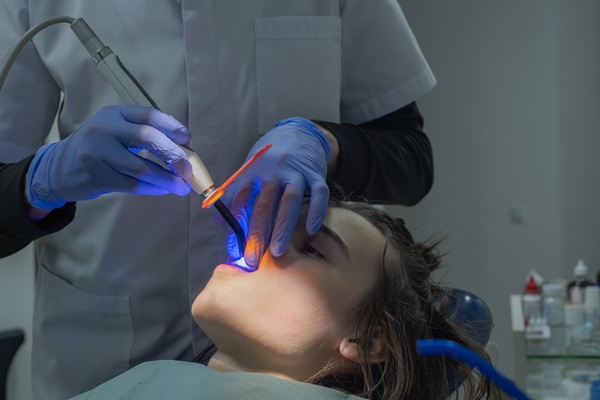
LANAP®, which stands for laser-assisted new attachment procedure, is an innovative approach to treating periodontal disease, specifically a severe form known as periodontitis. The LANAP® protocol is approved by the Food and Drug Administration (FDA) and has a high rate of success in regenerating lost bone inside of the jaw that is related to periodontal disease.
Important things to know about LANAP® for treating periodontal disease
When compared to traditional periodontal disease treatments, there are notable benefits of the LANAP protocol. Since many patients are at first unfamiliar with what LANAP is, this review discusses important information about the innovative treatment solution to help you feel more comfortable if this form of surgical therapy is recommended.
LANAP® is used to treat severe forms of gum disease
LANAP is a form of surgical therapy, so it is still considered more invasive than other in-office periodontal procedures such as scaling and root planing. Subsequently, it is typically recommended for treating a more severe form of gum disease (periodontitis), especially if there are symptoms such as gum recession, deep gum pockets, and bone loss inside of the jaw.
LANAP® encourages the natural regeneration of bone around your teeth
LANAP protocol works by encouraging the body to regenerate bone tissue around your teeth. Traditional methods of treating bone loss include a grafting procedure, and LANAP may be a way to avoid the need for a bone graft by allowing for the natural healing and regeneration of the jawbone.
LANAP® is a non-invasive treatment solution
LANAP uses advanced laser technology to treat periodontal disease. This means there are no painful and loud dental instruments that are used during the treatment process, and the patient is not likely to experience much (if any) discomfort during the procedure.
The recovery is much quicker than with traditional methods
Since the LANAP protocol is less invasive than traditional methods of periodontal disease treatment, the recovery time is much faster. With traditional methods, the recovery time can take several weeks, whereas most patients make a full recovery and can return to normal activity within a few days with LANAP.
There is less bleeding, pain, and sensitivity with LANAP®
Another benefit of the non-invasive manner of LANAP is that there is much less bleeding, pain, and sensitivity during the procedure, which allows for a much easier and comfortable experience for the patient.
There are risks to leaving periodontal disease untreated
It is important to treat periodontal disease to avoid the loss of teeth and worsening gum and jawbone complications. Many who choose LANAP are able to restore their periodontal health and strengthen the support of their teeth.
Schedule a consultation to learn more about LANAP® periodontal disease treatment
Would you like to schedule a consultation to discuss LANAP periodontal disease treatment? If so, then call our professional dental team today for answers to any questions you may have and to set up a convenient time to come in and meet with our team, during which we can discuss LANAP and how it can benefit you.
Request an appointment here: https://padhiarperiodontics.com or call Padhiar Periodontics & Implant Specialists at (770) 585-3682 for an appointment in our Alpharetta office.
Check out what others are saying about our services on Yelp: LANAP in Alpharetta, GA.
Related Posts
Periodontal procedures are generally used to address oral health concerns such as periodontitis. However, many are surprised to learn about the cosmetic advantages surgical procedures from a periodontist can provide. This review discusses several procedures periodontists perform that have cosmetic uses and help to improve the health of the gums and jawbone.Notable periodontal cosmetic surgical…
Gingivectomy is one of the most popular treatment methods for periodontal disease. There are only a handful of treatment methods that can reverse the effects of periodontal disease. This procedure is one of them. It can bring the smile back to your face, making you more confident than ever before. Anyone facing the possibility of…
Understanding tooth extraction and what happens afterward helps patients prepare for their treatment plan. While pulling a tooth marks the end of a specific dental problem, it also creates the need for a tooth replacement. A periodontist focuses on protecting the jawbone and the surrounding gum tissue to create a stable environment for whatever comes…
Dental implants can last for many years, but they are not immune to problems, particularly in the surrounding gum tissue. When infection develops around an implant, LAPIP laser treatment may help control the issue and, in some cases, save the implant before it needs to be removed. Early diagnosis and treatment of peri-implantitis can help…